
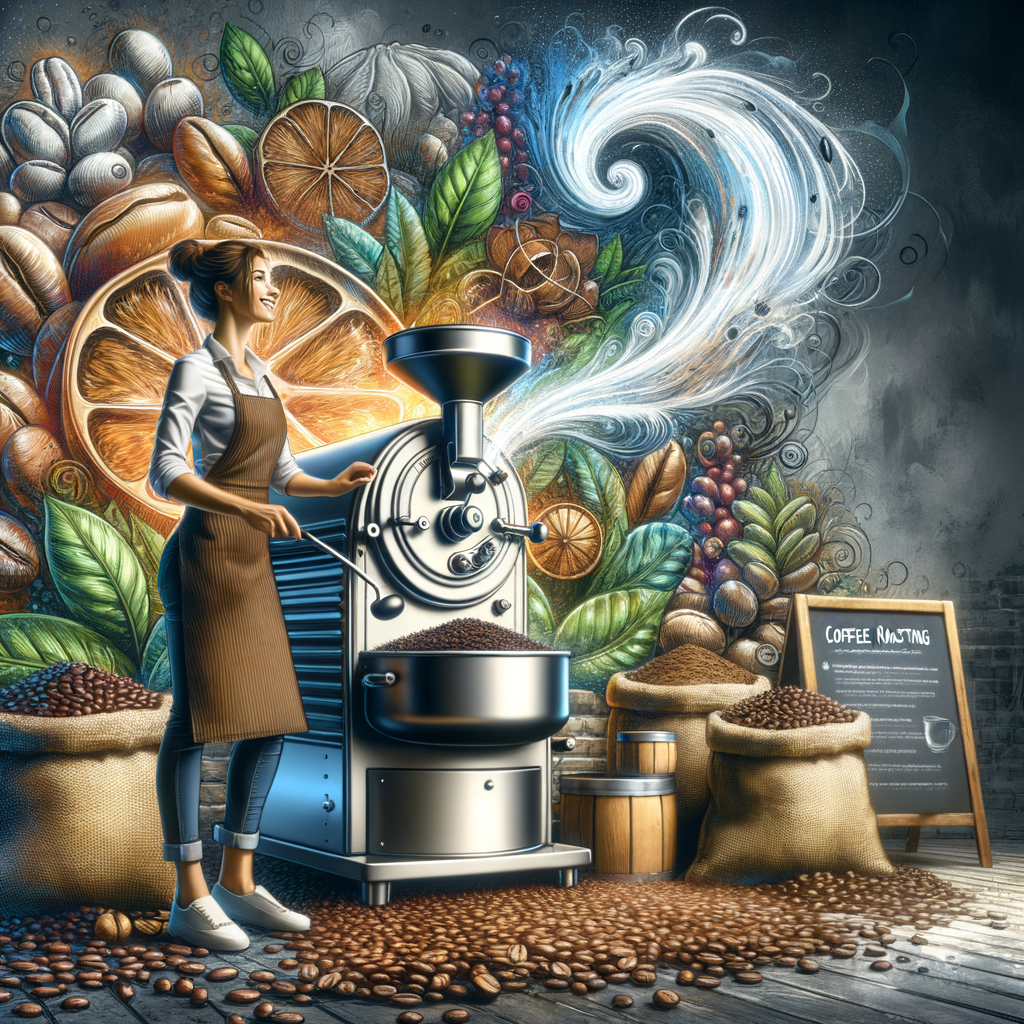
Coffee Roasting: Must-Have Tips for Ultimate Freshness
Coffee roasting is an art that transforms green coffee beans into the aromatic marbles we love for our daily brew. For many espresso aficionados and home brewers alike, the freshness of coffee is paramount. The journey from farm to cup is complex, and understanding how to roast coffee correctly can significantly elevate your experience. Here are some must-have tips for achieving ultimate freshness in your coffee roasting endeavors.
Understanding the Basics of Coffee Roasting
Before diving into the tips for enhancing freshness, it’s essential to understand the basics of coffee roasting. The roasting process involves heating green coffee beans, causing them to undergo physical and chemical changes. This transformation not only develops the beans’ flavor profile but also affects their shelf life. Fresher beans yield better-tasting coffee, highlighting the importance of meticulous roasting.
Choosing Quality Green Beans
To ensure your roasted coffee is fresh, start with high-quality green beans. The origin, variety, and processing method of the beans significantly affect flavor. Look for reputable sources, preferably those that prioritize direct trade or organic practices. Opt for beans that have been harvested recently; freshness begins at the source.
The Right Equipment for Roasting
Investing in appropriate roasting equipment is crucial if you want to achieve consistent results. There are various methods to roast coffee beans, including:
– Home Roasters: These electric machines allow precise control over time and temperature, facilitating uniform roasting.
– Stovetop Methods: Use a cast-iron skillet or a popcorn popper. While these methods can be fun, they often require more attention and skill to avoid scorching.
– Oven Roasting: An accessible option for beginners, but be aware that it can lead to uneven roasting.
Regardless of your choice, the key is to ensure that your equipment is clean and well-maintained to prevent off-flavors.
Monitoring Temperature and Time
Temperature and time are critical factors in coffee roasting. Each coffee bean has a unique profile, and slight variations in roasting time or temperature can lead to vastly different flavors. A typical roasting process might last anywhere from 10 to 20 minutes, depending on the desired roast level.
– First Crack: This is when the coffee beans release steam and make a popping sound. It’s a crucial indicator that the beans are beginning to transition from green to roasted.
– Second Crack: If you continue roasting past the first crack, you’ll eventually reach the second crack. This marks a darker roast and is vital for developing more intense flavors.
Monitoring these indicators will help ensure that your roast achieves the desired freshness and flavor.
Cooling the Beans
After roasting, it’s essential to cool the beans promptly to halt the cooking process. Leaving them to cool slowly can lead to uneven flavors and a reduction in freshness. You can place the beans in a cooling tray, spread them out on a baking sheet, or use a colander. The goal is to cool them quickly to preserve their vibrant flavors.
Letting Them Rest
Although it might be tempting to brew your coffee right after roasting, allowing the beans to rest is often beneficial. Freshly roasted coffee can emit carbon dioxide, which can affect the extraction process when brewing. Resting the beans for 24–48 hours helps them settle, leading to a more balanced flavor profile.
Storing Your Roasted Coffee
After your roasting journey, proper storage is crucial to maintaining the freshness of your coffee. Here are some tips for optimal storage:
– Use Airtight Containers: Store your coffee beans in opaque, airtight containers to limit exposure to air and light, which can quickly degrade their quality.
– Avoid Freezing: Although some swear by freezing beans to prolong freshness, it can lead to moisture absorption and freezer burn. Instead, store your beans in a cool, dark place.
– Limit Exposure: Don’t buy more beans than you can consume in a few weeks. Smaller, fresh batches are better than larger quantities that could go stale.
Experimenting with Different Profiles
Finally, don’t be afraid to experiment with various roast levels and bean origins. Each batch can provide unique tasting notes, and understanding how to manipulate the roast can lead to delightful discoveries. Keep notes on your roasting attempts; this will help you refine your technique and taste preferences over time.
Conclusion
Mastering the art of coffee roasting is an exciting journey that can greatly enhance your coffee drinking experience. By focusing on the quality of your green beans, investing in the right equipment, and diligently monitoring the roasting process, you can achieve the ultimate freshness in your brews. With these tips, you’ll be on your way to enjoying an aromatic, flavorful cup of coffee that celebrates the essence of freshly roasted beans.