
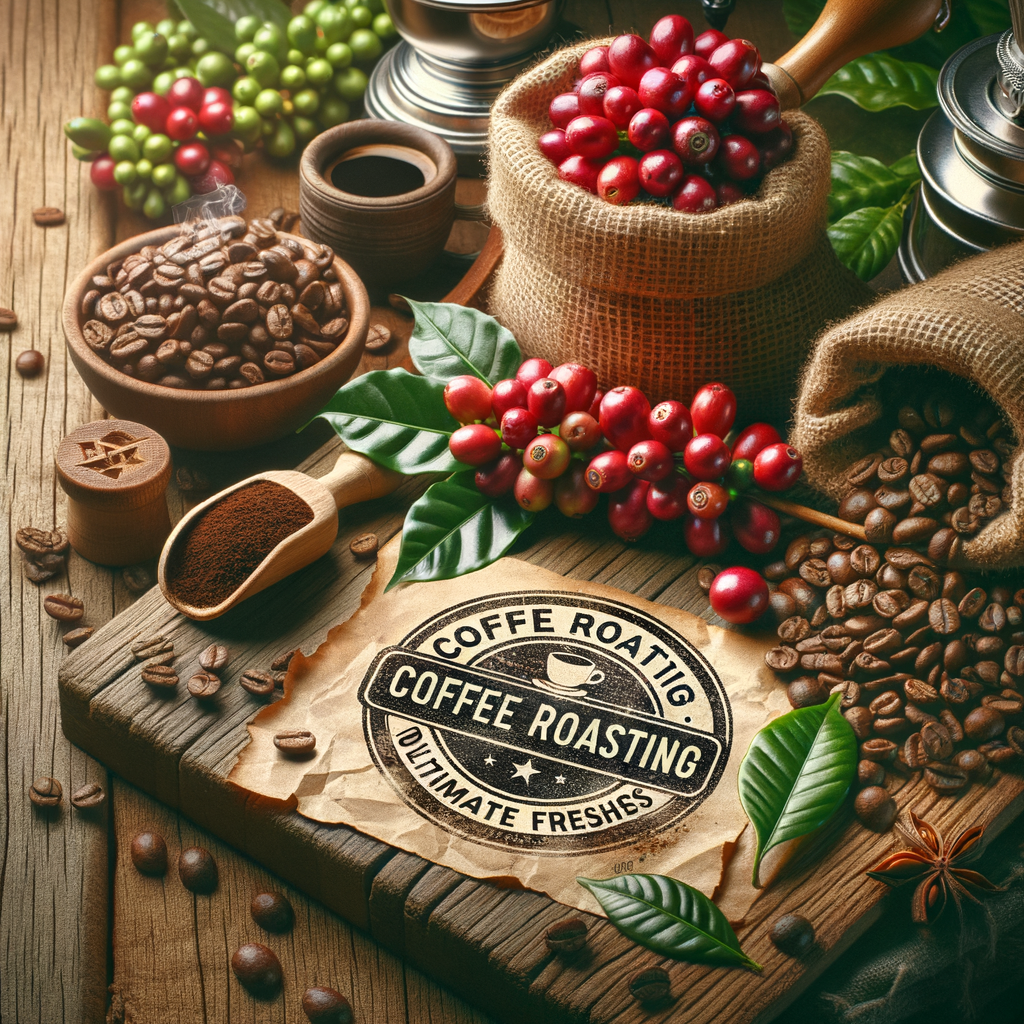
Coffee Roasting: Must-Have Tips for Ultimate Freshness
Coffee roasting is an art that transforms raw green beans into aromatic, flavorful brews. To achieve the ultimate freshness in your coffee, mastering the roasting process is key. This article will guide you through essential tips to enhance your coffee roasting skills, ensuring that every cup is as invigorating as it is delicious.
Understanding Coffee Roasting
To appreciate the nuances of coffee roasting, it’s vital to understand what happens during the process. When green coffee beans are subjected to heat, they undergo complex chemical changes. These changes develop the rich flavors and aromas we love. The roasting process also affects the caffeine content, acidity, and body of the coffee. Knowing these fundamentals helps you appreciate the fine balance needed to achieve superior freshness in your brew.
Choosing the Right Green Beans
One of the first steps to achieving the ultimate freshness is selecting high-quality green coffee beans. Look for beans that are sourced from reputable suppliers, ensuring they are fresh and stored properly. Specialty coffee shops often have a variety of beans, allowing you to explore different regions and flavor profiles. Pay attention to the harvest date, as fresher beans will lead to a better roasting experience.
The Importance of Roasting Equipment
Investing in the right equipment can make a difference in your roasting journey. Home roasters can choose between various options such as air roasters, drum roasters, or even pan roasting techniques. Each type has its own advantages and drawbacks.
– Air Roasters: These are generally faster and better for light roasts. They use hot air to cook the beans evenly, minimizing the risk of burnt flavors.
– Drum Roasters: These allow for greater control over the temperature and airflow, giving you the flexibility to experiment with different roast levels.
– Pan Roasting: While it’s a more accessible method for beginners, it requires constant attention and careful monitoring to achieve an even roast.
Invest in a good-quality roaster tailored to your preferences and level of expertise.
Achieving the Right Roast Profile
To unlock the ultimate freshness in your coffee, understanding roast profiles is crucial. Different beans require different roast levels to highlight their unique characteristics. Generally, roasts are categorized into light, medium, and dark styles.
– Light Roasts: Retain more of the beans’ original flavors and acidity, often referred to as “fruity” or “floral.” They’re ideal for highlighting delicate coffee varietals.
– Medium Roasts: Offer a balanced flavor with a combination of acidity and sweetness, making them popular among many coffee drinkers.
– Dark Roasts: Provide robust flavors and a heavier body, often masking some of the coffee’s original characteristics.
Experiment with various roast levels to find what best suits your palate, but remember that freshness can diminish if you over-roast the beans.
Monitor Temperature and Time
Temperature control is paramount for ultimate freshness in coffee roasting. Generally, the roasting process begins at around 400°F (200°C) and can reach over 450°F (232°C) for darker roasts. However, it’s not just about the peak temperature; timing is equally important. Ideally, you should aim for an even roast while monitoring the first crack—a significant auditory cue that indicates the coffee beans are reaching their first stage of development.
Using a thermometer or an infrared heat gun can help you maintain the ideal temperature throughout the roasting process. Additionally, timing your roasts with a stopwatch can help ensure consistency.
Cooling Your Beans Quickly
Once you’ve achieved your desired roast profile, it’s crucial to cool the beans quickly. This step helps stop the roasting process and prevents them from continuing to cook in their residual heat, which can lead to over-roasting and a loss of freshness.
Vacuum cooling or using a cooling tray with a fan can help disperse heat effectively. The sooner you cool your beans, the fresher your coffee will taste.
Storing Roasted Coffee
Proper storage is essential to maintain your coffee’s freshness after roasting. After your beans have cooled, store them in an airtight container away from light, moisture, and heat. Glass jars, vacuum-sealed bags, or specially designed coffee canisters are excellent options.
Aim to consume your roasted coffee within two weeks to enjoy the peak of its flavor. Over time, the beans will lose their oils and aromas, leading to a stale taste.
Conclusion
Coffee roasting is a fulfilling process that, when done correctly, results in flavorful and aromatic brews. By focusing on high-quality green beans, investing in the right equipment, mastering roast profiles, monitoring temperature and time, cooling quickly, and storing correctly, you can achieve the ultimate freshness in your coffee. Embrace this journey, experiment with techniques, and unlock the rich world of coffee flavors, one roast at a time. Enjoy your freshly roasted coffee, and may every sip bring you joy!