
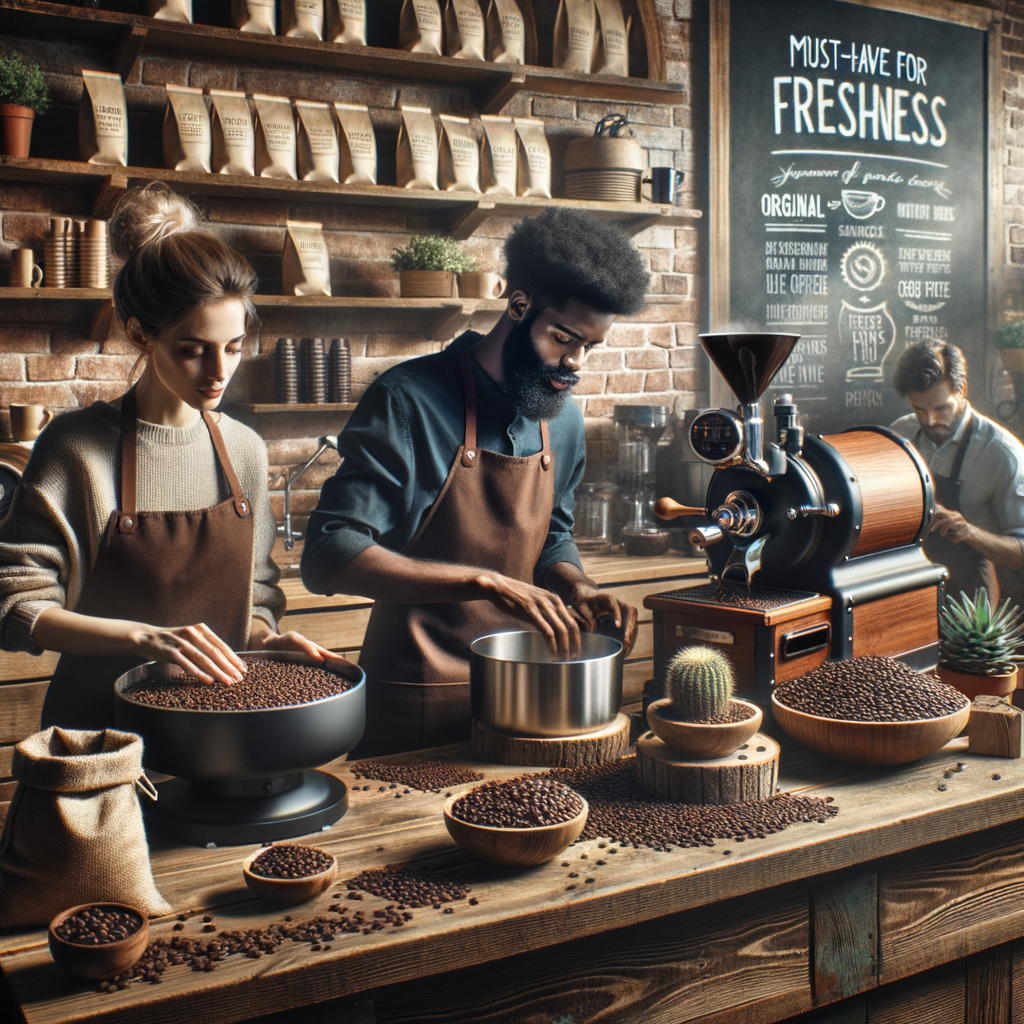
Coffee Roasting: Must-Have Tips for Ultimate Freshness
Coffee roasting is a fascinating art that can significantly influence the flavor, aroma, and overall experience of your favorite brew. For many coffee enthusiasts, achieving the ultimate freshness in coffee is paramount. From sourcing green beans to the roasting process itself, several factors play a vital role in ensuring that your coffee remains at its peak freshness.
The Importance of Freshness in Coffee
Freshness is one of the most critical elements in the world of coffee. As soon as coffee beans are roasted, they begin to lose their freshness. This can result in a decline in flavor, aroma, and even acidity. Ideally, coffee should be consumed within a few weeks of roasting—longer than that, and you may notice a flat taste and diminished complexity.
Choosing Quality Green Beans
To achieve the best roast, you have to start with quality green coffee beans. Not all beans are created equal; their origin, variety, and processing method can dramatically impact the final flavor. Look for reputable suppliers who provide beans that are labeled with a roast date and sourced ethically. This ensures not only fresher beans but also supports sustainable practices.
Sample Before You Buy
If you’re new to coffee roasting, consider sampling before committing to larger quantities. This practice allows you to understand the flavor profiles of different coffee beans, helping you refine your preferences. Tasting and comparing various beans can be a delightful experience that educates your palate and helps you choose the ones that suit your taste.
Mastering the Roasting Process
Once you have quality green beans, it’s time to focus on the roasting process. Roasting can be done using various methods, including home roasters, stovetops, or even using an oven. Each method requires specific attention, but the goal remains the same: to achieve the perfect roast.
Roasting Levels
The roasting level you choose will significantly affect the flavor of your coffee. Generally categorized into light, medium, and dark roasts, each level offers distinct taste profiles:
– Light Roasts: Retain more of the original coffee bean’s flavor. They are often fruity and acidic, highlighting the bean’s origin.
– Medium Roasts: A balance between acidity and body. They often have a more rounded flavor profile with sweet, caramel notes.
– Dark Roasts: Dark and rich flavors dominate, with pronounced bitterness. These roasts may obscure the bean’s original characteristics.
Experiment with different roast levels to discover what you enjoy most.
Timing and Temperature Control
Precision in timing and temperature is crucial for a successful roast. Monitor the roast carefully, noting the changes in color and aroma. The exact temperatures can vary based on your method, but in general, a temperature range of 400°F to 480°F is effective.
– First Crack: This is an important milestone when roasting coffee, marking the shift from a light to medium roast. A popping sound will occur, indicating that the beans are expanding and releasing moisture.
– Second Crack: Signifying that the beans have reached a dark roast stage. This crack is more subtle and often comes with a shiny, oily appearance.
Documenting your roasting times and the resulting flavors helps you replicate successful batches in the future.
Cooling the Beans
As soon as the desired roast is achieved, quickly cooling the beans will help lock in the flavors and halt the roasting process. This can usually be done using a cooling tray or by spreading them out on a baking sheet. The faster you cool them, the better.
Storing Your Freshly Roasted Beans
Storing your freshly roasted beans correctly is essential for maintaining their freshness. Use airtight containers and store them in a cool, dark place. Avoid exposing them to moisture, heat, or light, which can accelerate staleness.
Additionally, consider waiting a day or two after roasting before brewing your coffee. During this period, the beans release carbon dioxide, allowing for a smoother taste once brewed.
Brew Fresh for Optimal Flavor
Finally, once you’ve perfected your roasting method, the last tip for enjoying fresh coffee is about brewing. Use freshly ground beans to make the most of your roasted coffee. Grind your beans just before brewing for the best flavor and aroma.
In conclusion, mastering coffee roasting is an enjoyable journey that can lead to a superior coffee experience. By prioritizing quality green beans, refining your roasting process, and storing your beans properly, you can ensure that every cup you brew is fresh and bursting with flavor. Enjoy your brewing adventures and the delightful results of your freshly roasted coffee!