
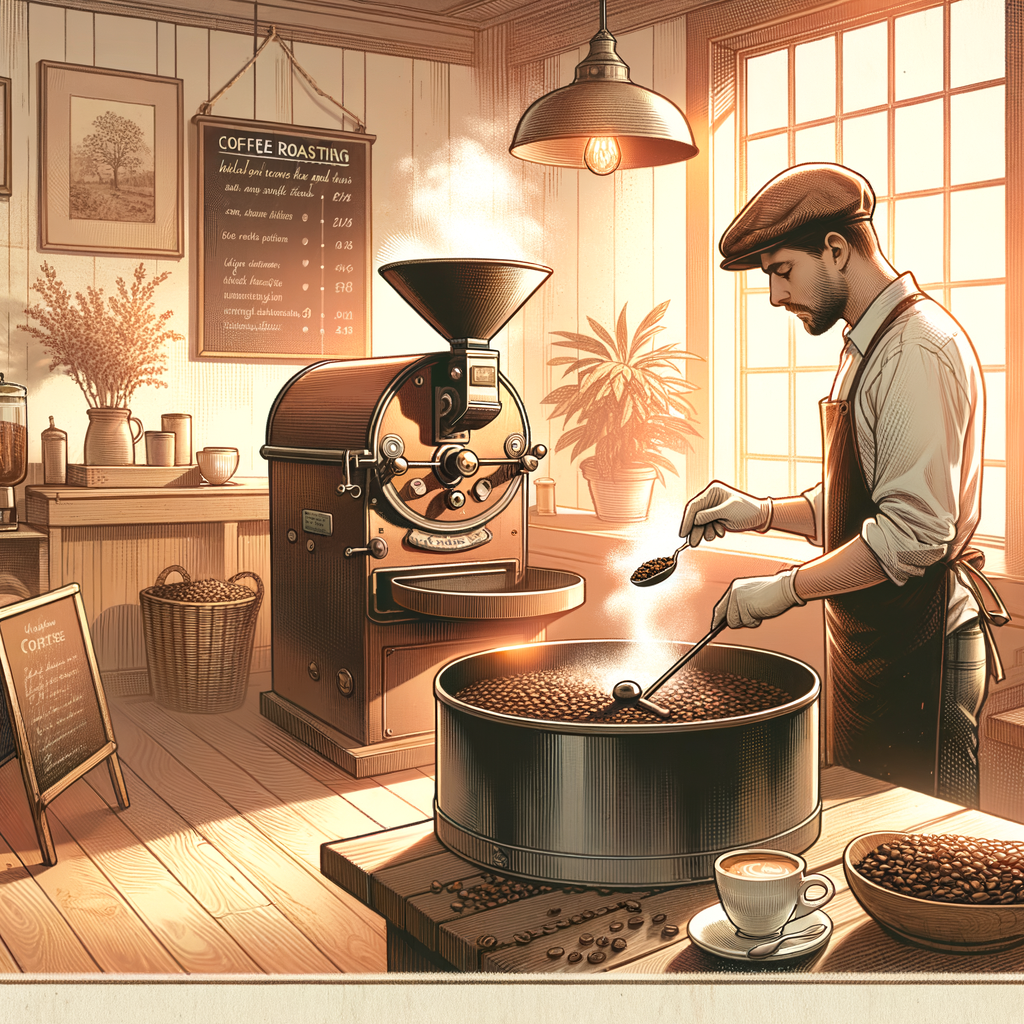
Coffee Roasting: A Journey to Perfect Freshness
Coffee roasting is an essential step in the coffee-making process that transforms raw green beans into the aromatic, flavorful coffee we all adore. With the right techniques and tips, you can elevate your coffee experience to new heights. Whether you’re a beginner or an experienced roaster, understanding the nuances of roasting can help you achieve that perfect freshness that makes each cup a delight.
Understanding the Roasting Process
Before diving into specific tips, it’s crucial to grasp how the roasting process influences flavor. Coffee beans undergo a series of chemical changes when roasted. As they heat up, the sugars caramelize, oils develop, and acids break down, which all contribute to the final taste and aroma you experience in your cup.
Tip 1: Choose Quality Green Beans
The journey to perfect freshness starts with selecting high-quality green beans. Look for beans that are:
– Single origin: This ensures that you can appreciate the unique flavors associated with different growing regions.
– Freshly sourced: Beans should be harvested and processed as recently as possible to maintain their flavor profile.
– Organic: If possible, choose organic beans to avoid any chemical residues that may affect taste.
Tip 2: Invest in Good Equipment
Your choice of equipment plays a significant role in the roasting process. Here are a few essential tools you should consider:
– Roasting machine: Invest in a high-quality roaster that fits your needs. Home roasters can range from simple popcorn poppers to sophisticated drum roasters.
– Thermometers: A reliable thermometer will help you monitor temperatures accurately, which is crucial for controlling the roast timing.
– Cooling tray: Post-roast cooling is vital; a dedicated cooling tray allows for rapid cooling and prevents the beans from roasting further due to residual heat.
Tip 3: Mastering the Roast Profile
Understanding how to create a roast profile tailored to your taste preferences is key to achieving the best flavor. Here’s what to consider:
– Roast levels: Familiarize yourself with different roast levels (light, medium, dark) and experiment to find your favorite.
– Time and temperature: Each roast level requires specific time and temperature settings. Generally, lighter roasts are achieved at lower temperatures with quicker processing times, while darker roasts involve higher temperatures and longer times.
– First crack and second crack: Pay attention to these sound cues during the roast. The first crack indicates light roast readiness, while the second crack suggests you’re entering medium to dark roast territory.
Tip 4: Monitor and Record Your Roasting Sessions
For consistent results, it’s vital to keep records of your roasting sessions. Track variables such as:
– Bean type: Record the variety and origin of the beans you’re roasting.
– Roasting temperature and time: Document the specifics of each batch, including when you started hearing the first and second cracks.
– Outcome: Note your impressions on the flavor, aroma, and overall quality of each roast. Over time, this log will help you refine your technique and improve your results.
Tip 5: Store Your Beans Properly
After roasting, how you store your coffee beans can greatly affect their freshness. Here are storage tips to consider:
– Cooling: Allow the beans to cool completely before storing them to prevent condensation.
– Airtight containers: Use drawers or jars that are airtight to keep out light, moisture, and oxygen—all of which contribute to staleness.
– Timeframe: Consume roasted beans within a few weeks for optimal freshness. After this, the flavor compound begins to degrade, particularly in lighter roasts.
Tip 6: Experiment and Enjoy
Finally, don’t hesitate to experiment with different techniques and flavor profiles. Roasting is as much an art as it is a science. Try playing with:
– Different roast levels: Adjust your approach based on the season or your mood.
– Blending beans: Combine different origins or roast levels for unique, customized flavors.
– Brewing methods: Each brewing method can extract different flavors from your roast. Explore using a French press, pour-over, or espresso to discover what you enjoy most.
Final Thoughts
Coffee roasting offers a unique combination of science, art, and personal expression. By following these must-have tips, you’ll be well on your way to creating coffee with perfect freshness and unparalleled flavor. Remember, each roast is a journey—embrace the process and let your taste buds guide you. Your next perfect cup of coffee is just a roast away!