
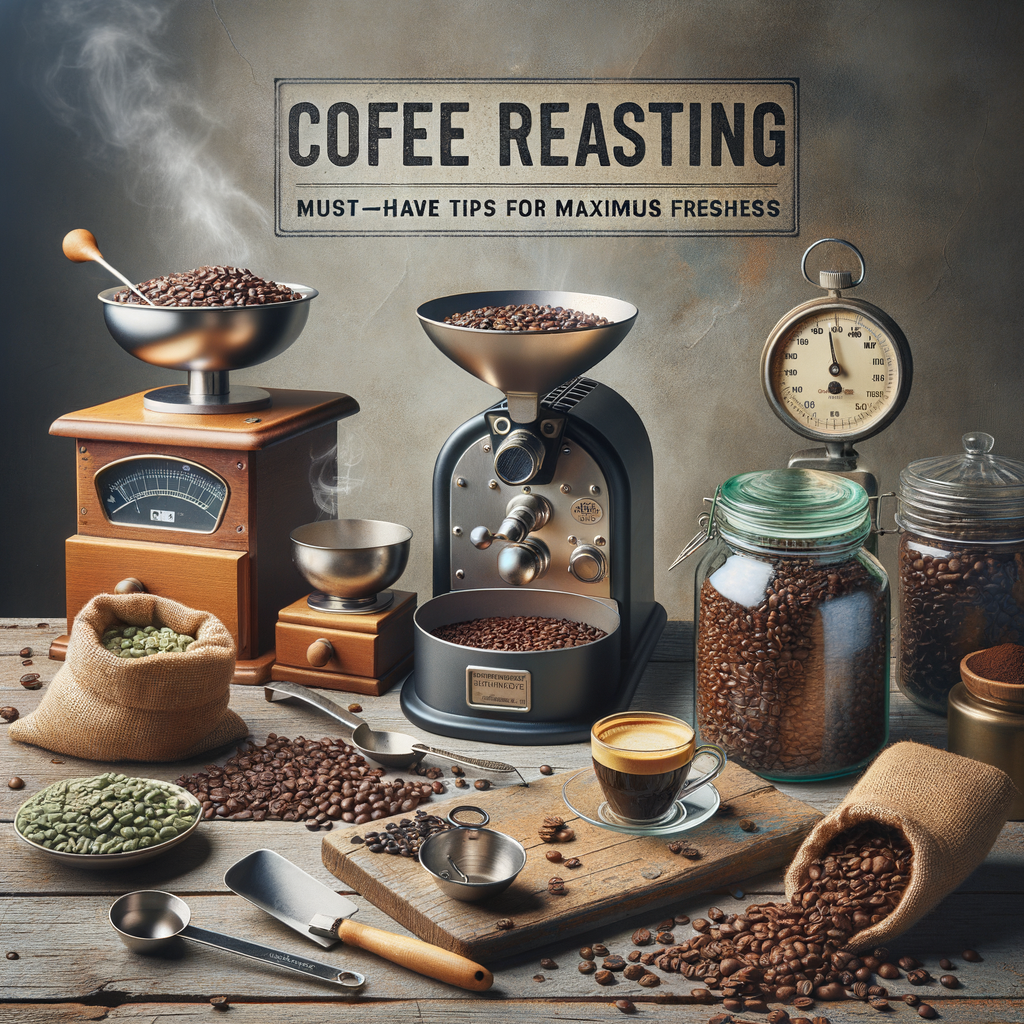
Coffee Roasting: Must-Have Tips for Maximum Freshness
Coffee roasting is a delicate yet rewarding process that transforms green coffee beans into the aromatic, flavorful brew millions enjoy every day. For coffee aficionados, achieving maximum freshness in their roasted beans is essential to enhance the flavor, aroma, and overall enjoyment of their coffee experience. Understanding the nuances of coffee roasting can elevate your home brews to professional levels. Here are some indispensable tips to ensure your coffee beans stay fresh and vibrant.
The Importance of Freshness in Coffee
Freshness plays a critical role in the flavor profile of coffee. Beans that are freshly roasted retain their natural oils and flavors longer than older beans. As coffee ages, the essential oils begin to evaporate, leading to a flat, dull taste. When it comes to roasting your own beans, the goal should be to consume them within a specific time frame for optimum freshness.
Know Your Beans
Before diving into the coffee roasting process, it’s important to understand the type of beans you are working with. Different coffee beans have unique flavor profiles and optimal roasting levels. Some beans shine best at a light roast, which accentuates their acidity and fruitiness, while others may require a darker roast to bring out their sweeter undertones. Research your specific beans to determine their ideal roast level and note the characteristics that contribute to their freshness and flavor.
Buy Quality Green Beans
Freshness starts with quality green beans. Opt for reputable suppliers who provide freshly harvested beans. Beans that have been improperly stored or sit on a shelf for extended periods can lose their resilience. Look for beans that are packaged well and ideally have a ‘roasted on’ date to ensure you’re sourcing the freshest product available. Remember, the best coffee starts with quality raw ingredients.
Roasting Techniques for Maximum Freshness
Start Small
For beginners, it’s advisable to start with small batches when roasting coffee. This not only allows for better control over the roasting process but also ensures that you can consume the beans while they are freshest. Small batches make it easier to experiment with different roast profiles, enabling you to discover which flavors suit your palate best.
Monitor the Temperature
Temperature control is crucial in the roasting process. A consistent roasting temperature can help achieve an even roast throughout the batch. Using a reliable thermometer can assist in maintaining ideal roasting temperatures, usually between 400°F and 500°F. Each temperature level unlocks different flavor notes and can dramatically affect the final product.
Timing Matters
Timing your roast is just as important as temperature. The roasting process generally involves a series of stages, from the initial drying phase to the first and second cracks. These stages signal various flavor developments. Keeping a close eye on your timing and adjusting it to your taste preferences will help you achieve that perfect roast, maximizing freshness in the process. Utilize a timer for precision, so you don’t end up with over-roasted beans.
Storing Roasted Coffee Beans
Even after perfecting your roasting technique, improper storage can lead to staleness. Correct storage allows coffee to breathe without exposure to detrimental elements.
Use Airtight Containers
After roasting, place your coffee beans in airtight containers, ideally made of glass or ceramic. These materials protect the beans from excess moisture, light, and air, all of which contribute to staleness. Avoid plastic bags, as they often allow air to seep in, diminishing freshness over time.
Keep Them Cool and Dark
Store your coffee in a cool, dark place away from heat sources and moisture. Avoid storing beans in the refrigerator, which can create humidity issues and cause unwanted flavor changes. Instead, a pantry or cupboard is the ideal spot for your freshly roasted beans.
Regular Roasting Schedule
To truly enjoy the benefits of fresh coffee, consider establishing a regular roasting schedule. Depending on your consumption rate, roasting weekly or bi-weekly can ensure you always have access to freshly roasted beans. This routine helps to maintain the freshness and vibrancy of the coffee, allowing you to enjoy all the intricate flavors you worked hard to develop.
Conclusion
In the world of coffee, freshness is key. Coffee roasting is an art that requires attention to detail, from sourcing quality green beans to employing the right roasting techniques and ensuring proper storage. By applying these must-have tips, you not only optimize the freshness of your coffee but also enrich your overall coffee experience. Happy roasting!