
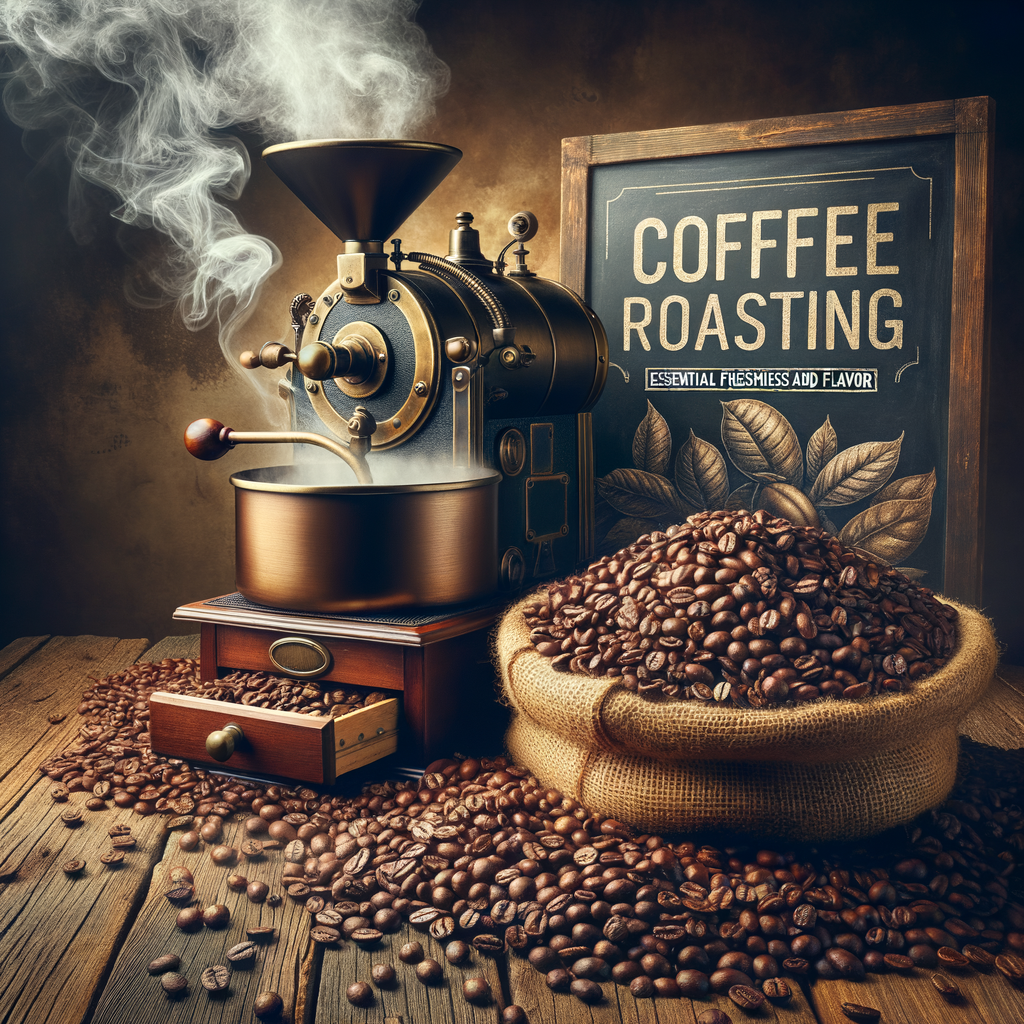
Coffee Roasting: Essential Tips for Freshness and Flavor
Coffee roasting is a crucial process that significantly influences the flavor and aroma of your coffee. The transformation from raw green beans to the rich, aromatic roast we enjoy involves a series of controlled steps that unlock the beans’ natural potential. Mastering the art of coffee roasting not only enhances its freshness but also elevates its overall flavor profile.
Understanding the Coffee Roasting Process
The coffee roasting process can be fascinating but also intricate. It involves heating green coffee beans until they undergo a series of chemical changes that develop their flavors. The process typically takes place in a coffee roaster, where the temperature and time are meticulously monitored.
During roasting, green beans absorb heat, causing moisture loss and flavor development. The key stages of roasting include:
1. Drying Stage: The beans lose moisture, lightening in color.
2. Browning Stage: Maillard reactions occur, where the sugars in the beans begin to caramelize, leading to the development of complex flavors.
3. First Crack: The beans expand and crack as steam escapes; this is a significant indicator that the coffee is nearing a light roast.
4. Development Time: After the first crack, roasters adjust the heat or time to develop desired flavors further, ranging from light to dark roasts.
5. Second Crack: In darker roasts, a second crack occurs, and oils start to surface, giving the beans a glossy appearance.
Essential Tips for Freshness
When it comes to coffee roasting, freshness is paramount. Here are essential tips to ensure you capture the highest quality and freshest flavors possible:
1. Source High-Quality Beans
The starting point of any roasting endeavor is the quality of the green coffee beans. Choosing beans from reputable suppliers guarantees better freshness. Look for single-origin beans or specialty coffee that clearly indicate processing and roast dates.
2. Roast in Small Batches
For optimal freshness, it’s advisable to roast in small batches. Smaller quantities allow for better temperature control and consistency in flavor. It also gives you the ability to experiment with different profiles without overwhelming quantities.
3. Monitor Roast Profiles
Every roast is unique, and it’s crucial to monitor your roast profiles. Use a reliable thermometer to keep track of temperatures during roasting, and take notes of the color and aroma changes. This documentation will help you replicate successful batches and learn from those that didn’t turn out as well.
Enhancing Flavor Through Technique
The technique involved in roasting is equally important. Here are some methods to refine your approach and elevate the flavor of your coffee:
4. Experiment with Time and Temperature
Time and temperature are variables you can manipulate to influence the flavor notes in your coffee. Light roasts tend to bring out the natural acidity and fruity flavors, while darker roasts can result in richer, more chocolatey notes. Experimenting within the parameters of time and temperature can help you discover personalized preferences.
5. Allow Beans to Rest
Once your beans have been roasted, allow them to rest for at least 24 hours before brewing. This “resting” period allows the gases accumulated during roasting to dissipate, resulting in a smoother cup. However, try not to wait too long: coffee is best enjoyed within a week or two post-roast.
Storing Your Roasted Coffee
Even after optimal roasting, proper storage maintains freshness:
6. Use Airtight Containers
Storing your coffee in airtight containers protects it from moisture and oxygen, both of which can degrade flavor. Glass or ceramic containers with tight lids are preferable. For extended freshness, consider using vacuum-sealed bags.
7. Avoid Light and Heat
Keep your coffee in a cool, dark place, away from direct sunlight and heat sources. Excessive light and heat can lead to faster staling, affecting both the aroma and taste.
Conclusion
Coffee roasting is as much an art as it is a science. By mastering the essential tips for freshness and flavor, you can embark on a rewarding journey to create your perfect cup of coffee. With attention to detail and the right techniques, you will not only enhance your coffee experience but also share the joy of freshly roasted coffee with others. Whether you are a novice or an experienced roaster, there is always room for exploration and growth in your coffee roasting adventure.