
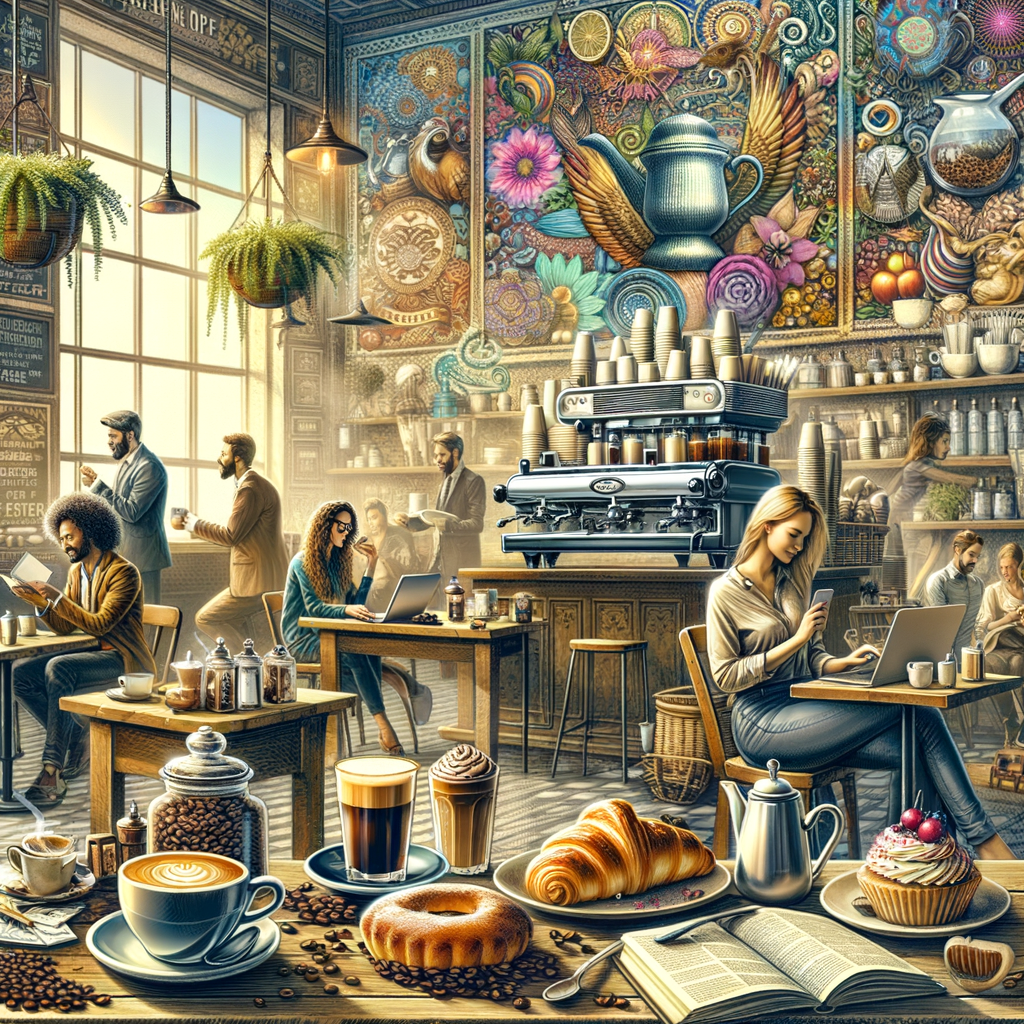
Coffee Culture: Stunning Insights for the Best Experience
Coffee culture has evolved significantly over the years, transforming from a simple morning ritual to a vibrant social phenomenon. Today, coffee is not just a beverage; it is an experience that encompasses a range of aromas, flavors, and social interactions. Understanding the nuances of this culture can enrich your appreciation for coffee and elevate your daily brew.
The Birth of Coffee Culture
The origins of coffee can be traced back to Ethiopia, where legend has it that a goat herder named Kaldi discovered the energizing effects of the coffee cherry. From its humble beginnings, coffee made its way to the Arab world in the 15th century, eventually spreading to Europe and the Americas. Each region developed its unique take on coffee, leading to the diverse practices we see today.
As coffeehouses became popular in Europe during the 17th century, they transformed into vibrant social hubs where individuals gathered to engage in conversation, read literature, and discuss ideas. This laid the groundwork for what we now recognize as coffee culture, where coffee serves as a social lubricant and a medium for connection and creativity.
Understanding Global Coffee Variations
One of the stunning insights into coffee culture is its remarkable diversity across the globe. Different countries not only prepare coffee in unique ways but also incorporate it into their daily lives through rituals and traditions.
– Italian Espresso: In Italy, espresso is king. The ritual of standing at the bar, sipping a quick shot of espresso, is an integral part of daily life. It’s fast-paced and efficient, reflecting Italy’s dynamic culture.
– Turkish Coffee: In Turkey, coffee preparation is an art form. Ground coffee is brewed with water and sugar in a special pot called a cezve. The process takes time and is often accompanied by conversation, making it a slower, more communal experience.
– Vietnamese Coffee: Vietnam offers a distinct experience with its traditional coffee brewed using a drip filter. Served with sweetened condensed milk, it reflects the local palate and is often enjoyed iced—a perfect antidote to the country’s tropical heat.
Understanding these variations not only broadens your coffee knowledge but allows you to appreciate the stories and traditions tied to each style.
The Rise of Specialty Coffee
In recent years, the specialty coffee movement has gained immense traction, focusing on quality, transparency, and sustainability. This movement emphasizes the importance of sourcing beans directly from farmers and celebrating the unique flavors of different coffee varieties.
Coffee enthusiasts are now more informed about the specifics of what they consume—from the geographical origins of the beans to the methods used in brewing. This growing trend has led to the emergence of artisanal cafes where baristas are viewed not merely as technicians but as artists skilled in the craft of coffee-making.
At these cafes, you’ll find a diverse range of brewing methods, such as pour-over, Aeropress, and siphon brewing. Each method highlights different flavor profiles and nuances in the coffee, inviting a deeper exploration of the beverage.
Engaging in Local Coffee Culture
To truly immerse yourself in coffee culture, consider engaging with local coffee communities. Whether you’re traveling or exploring your own city, visiting local coffee shops can provide insights into regional brewing techniques and flavors.
Most major cities now have coffee festivals and tasting events where you can connect with other coffee lovers, learn about various brewing techniques, and even meet local roasters and farmers. These experiences often provide a behind-the-scenes look at the coffee-making process and allow you to appreciate the craftsmanship involved.
Elevating Your Personal Coffee Experience
To enhance your personal coffee experience at home, consider experimenting with different beans and brewing methods. Invest in high-quality coffee beans, ideally sourced from reputable suppliers who prioritize ethical practices.
Moreover, try varying your brewing techniques. Use a French press for a rich and robust taste, or opt for a cold brew for a smoother, less acidic cup. Additionally, consider incorporating flavorings like spices or natural syrups to create your customized brews. Learning about the different brewing methods and their impact on flavor can be both a fun and educational journey.
Conclusion
Coffee culture is a rich tapestry woven from centuries of tradition, innovation, and community. By understanding its roots, exploring global variations, and embracing the specialty coffee movement, you can enhance your appreciation for this beloved beverage. Whether you enjoy your coffee quickly at a bustling cafe or slowly savored at home, every cup offers a doorway into a broader cultural experience, waiting to be explored.