
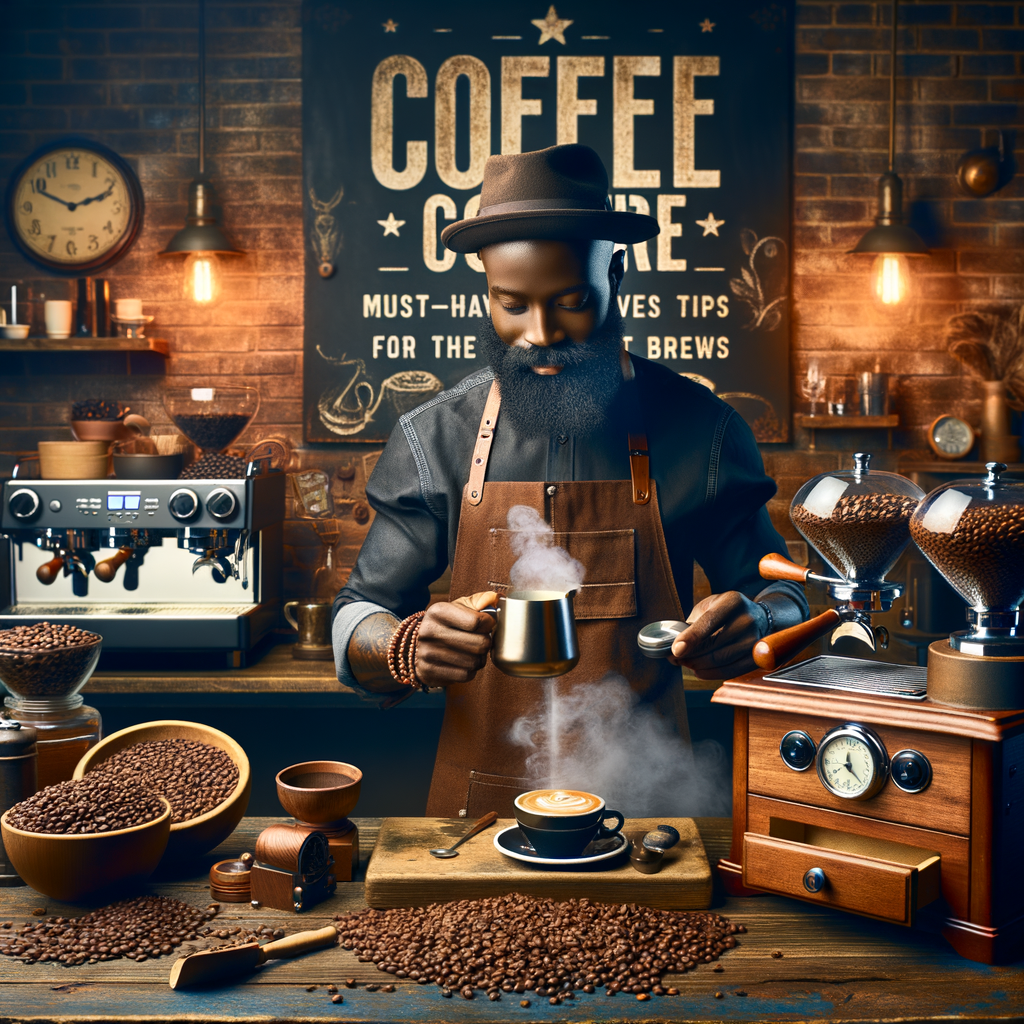
Coffee Culture: Must-Have Tips for the Best Brews
Coffee culture is not just about the beverage itself; it encompasses the entire experience surrounding it—preparation, consumption, and social interaction. Whether you’re a casual drinker or a zealous aficionado, cultivating a deeper appreciation for coffee can elevate your daily ritual. Below, explore essential tips for brewing the perfect cup and embracing the rich tapestry of coffee culture.
Understanding Coffee Beans
At the core of any exceptional brew is the type of coffee beans you choose. Coffee beans are classified into two primary categories: Arabica and Robusta.
– Arabica: Known for its smooth, complex flavors and higher acidity, Arabica is often preferred by specialty coffee enthusiasts. It thrives in higher altitudes and requires meticulous care during the cultivation process.
– Robusta: This variety has a stronger, more bitter taste and contains more caffeine. It’s typically used in espresso blends and is favored for its resilience and ease of growth.
When selecting beans, consider their origin, roast date, and roast level. Freshly roasted beans will have more vibrant flavors, so always check for the roast date and aim to consume your beans within a month of roasting for the best results.
The Art of Grinding
The grind of your coffee beans can drastically influence the final brew. Different brewing methods require specific grind sizes:
– Coarse Grind: Ideal for French press and cold brew, a coarse grind allows for slower extraction without over-extracting bitter flavors.
– Medium Grind: Perfect for drip coffee makers and pour-overs.
– Fine Grind: Best suited for espresso machines, a fine grind allows for rapid extraction.
Investing in a good burr grinder will ensure a consistent grind, enhancing the overall quality of your brew.
Water Matters
Often overlooked, the quality of water plays a crucial role in coffee culture. Since coffee is approximately 98% water, the characteristics of your water will affect the taste of your brew. Here are a few tips for optimal water usage:
– Use Fresh, Filtered Water: Tap water with high mineral content or chlorine can alter the flavor profile of your coffee. Using filtered water can help preserve the coffee’s natural flavors.
– Temperature: The ideal water temperature for brewing coffee is between 195°F and 205°F (90°C to 96°C). Water that’s too hot can scorch your coffee, while water that’s too cold may under-extract.
Brewing Methods to Explore
There are various brewing methods to consider, each offering unique flavor profiles and experiences. Here are a few popular options:
– Pour-Over: This method allows for precise control over the brewing process, leading to a clean and intricate cup. Equipment like the Hario V60 or Chemex can enhance the tasting experience.
– French Press: Known for its robust flavor, the French press employs immersion brewing. The longer steeping time extracts more oils and flavors, giving your coffee a richer body.
– Espresso: If you enjoy concentrated coffee, mastering the espresso technique opens the door to an array of coffee drinks like lattes, cappuccinos, and macchiatos.
Mind Your Ratios
A key component of brewing excellence is the coffee-to-water ratio. The standard guideline is to use 1-2 tablespoons of coffee per 6 ounces of water, but personal preferences vary. Experimenting with different ratios can help you find your perfect brew.
Embrace Coffee Culture
Coffee culture extends beyond brewing; it’s about community and connection. Here’s how you can immerse yourself:
– Visit Local Cafés: Each café has its own unique atmosphere and selection. Engaging with baristas can deepen your understanding of different brewing methods, beans, and flavor profiles.
– Join Tasting Events: Participate in cuppings, where you can taste various coffees and learn from experts about flavor notes and brewing techniques.
– Home Brewing Competitions: Hosting or joining coffee brewing challenges can be a fun way to explore creativity and refine your skills.
Share Your Journey
As you delve deeper into coffee culture, don’t forget to share your experiences. Social media platforms are filled with coffee communities eager to exchange tips, share recipes, and showcase their brewing experiences. Creating a blog or an Instagram account dedicated to your coffee journey allows you to connect with like-minded individuals and foster your passion.
In conclusion, cultivating a rich appreciation for coffee culture involves understanding your beans, mastering the brewing technique, and engaging with the community. With these tips, you’re well on your way to crafting the best brews that not only awaken the senses but also create lasting memories. Enjoy the journey of coffee—sip by sip!