
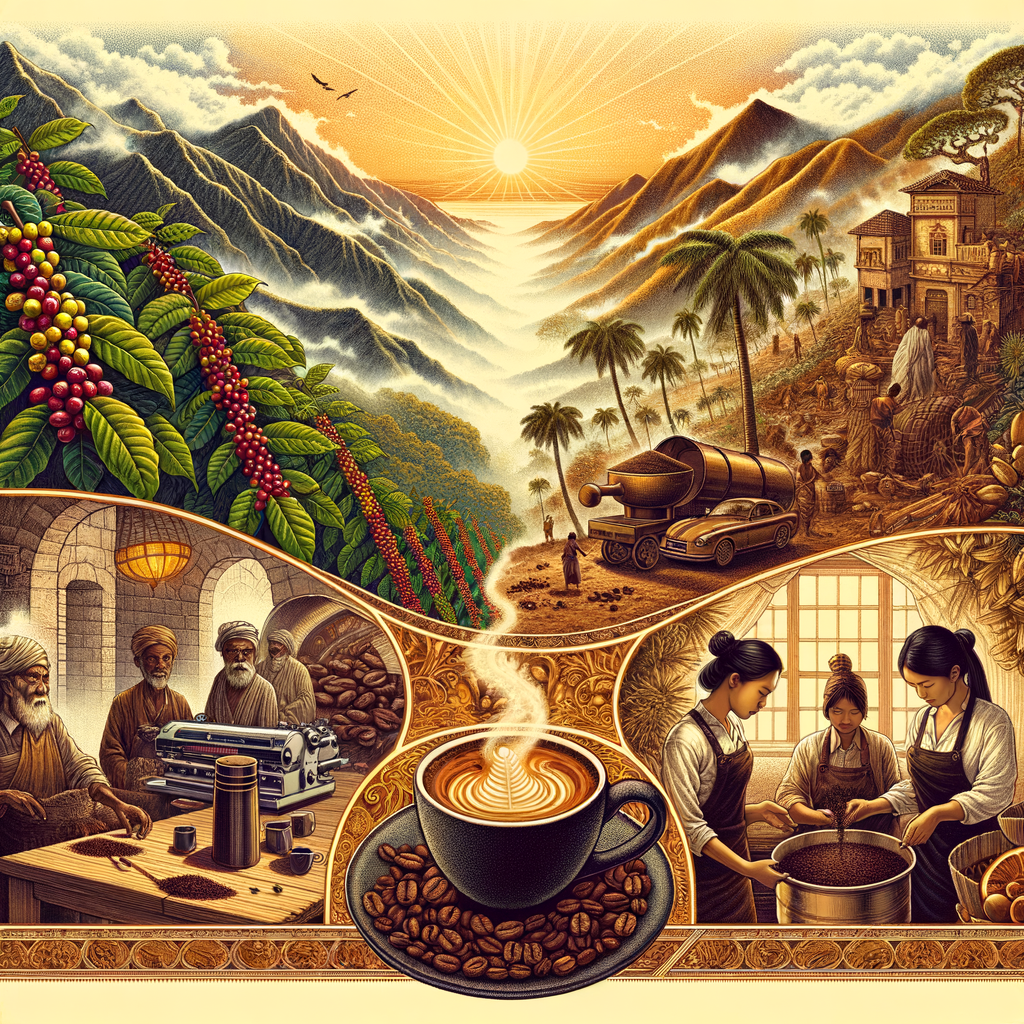
Coffee Beans: Stunning Origins for the Best Brew
Coffee beans, the marvelously versatile seeds from the Coffea plant, have transcended mere morning beverages to become a cornerstone of global culture and commerce. The journey from bean to cup is as rich as the flavor profiles they offer, with various regions imparting unique characteristics to each brew. Let’s explore the stunning origins of coffee beans and what makes them so special.
The Birthplace of Coffee
Most coffee enthusiasts are aware that the origins of coffee are steeped in legend and geography. Ethiopia is celebrated as the cradle of coffee. According to folklore, a goat herder named Kaldi discovered coffee around the 9th century. His goats became lively after eating the berries from a certain plant, prompting Kaldi to try them himself. This discovery led to the brewing of coffee as we know it today.
Ethiopian coffee is often noted for its bright acidity and floral notes, particularly in beans from regions like Yirgacheffe and Sidamo. With such a rich history, Ethiopian coffee beans serve as a reminder of the rich tapestry of flavors that different environments can produce.
Characteristics of Coffee Beans by Region
Each region where coffee is cultivated imparts distinct flavors and aromas to the beans. Understanding these characteristics can elevate your daily brew to an experience worth savoring.
Central and South America
Central American countries such as Guatemala and Costa Rica are renowned for their balanced, sweet notes. Guatemalan beans often have a full body and a rich chocolate flavor, while Costa Rican beans are celebrated for their bright acidity and fruity notes.
In South America, Colombian coffee is perhaps the most recognized globally. The country’s high altitude and varied climate produce beans that exhibit a rich, mild flavor, often with a hint of nuttiness. These beans are perfect for a smooth, well-rounded cup, making them a staple in many households.
Africa: An Array of Flavors
Kenya is another noteworthy origin for coffee beans, producing a unique profile that yields bright acidity and bold, fruity flavors. Kenyan coffees are often characterized by their juicy, wine-like qualities, making them a favorite among connoisseurs.
In contrast, coffees from Tanzania, particularly those grown on the slopes of Mount Kilimanjaro, tend to offer a more complex flavor profile, blending sweetness with vibrant acidity. These variations exemplify the nuances that geography can provide in developing coffee flavors.
Asia and the Pacific
Countries like Indonesia and Vietnam have their distinct coffee narratives. Indonesian beans, particularly from Sumatra, are known for their earthy undertones and full body, often appealing to those who enjoy robust coffee profiles.
On the other hand, Vietnam is a major producer of Robusta beans, typically characterized by their intense flavor and greater caffeine content. This makes them popular for espresso blends and instant coffee. The climatic conditions and farming practices in these regions result in many coffee varieties tailored to different tastes and preferences.
The Art of Brewing: Finding Your Flavor
Once you understand the stunning origins of coffee beans and the characteristics they embody, the next step is to explore how these elements translate into the perfect brew. Here are a few brewing methods to consider:
French Press
A French press allows coffee lovers to extract bold flavors from coarse-ground beans, making it perfect for full-bodied coffees from regions like Sumatra. The immersion brewing method highlights the earthy, rich profiles of these beans, resulting in a cup that is robust and satisfying.
Pour-Over
Pour-over methods, such as the Chemex or Hario V60, excel at highlighting the brighter notes of Ethiopian or Colombian beans. The controlled brewing process allows for precise extraction, resulting in a clean, flavorful cup that showcases the intricate flavor notes unique to each origin.
Espresso
Espresso made from a blend of beans from various regions can create an exciting fusion of flavors. For those who lean towards robust or chocolaty profiles, a blend featuring Colombian and Sumatran beans can yield a well-rounded experience, making for great espressos and lattes.
Final Thoughts
Coffee beans are not just a source of caffeine; they are a global product tied to the culture and environment of their origins. By exploring the stunning backgrounds of different beans—from Ethiopian legend to Indonesian depth—you can enhance your appreciation for the best brews around the world. So, the next time you sip your coffee, consider the journey those beans took to arrive in your cup. Each sip tells a story, blending history, geography, and artisan craftsmanship into a truly remarkable experience.