
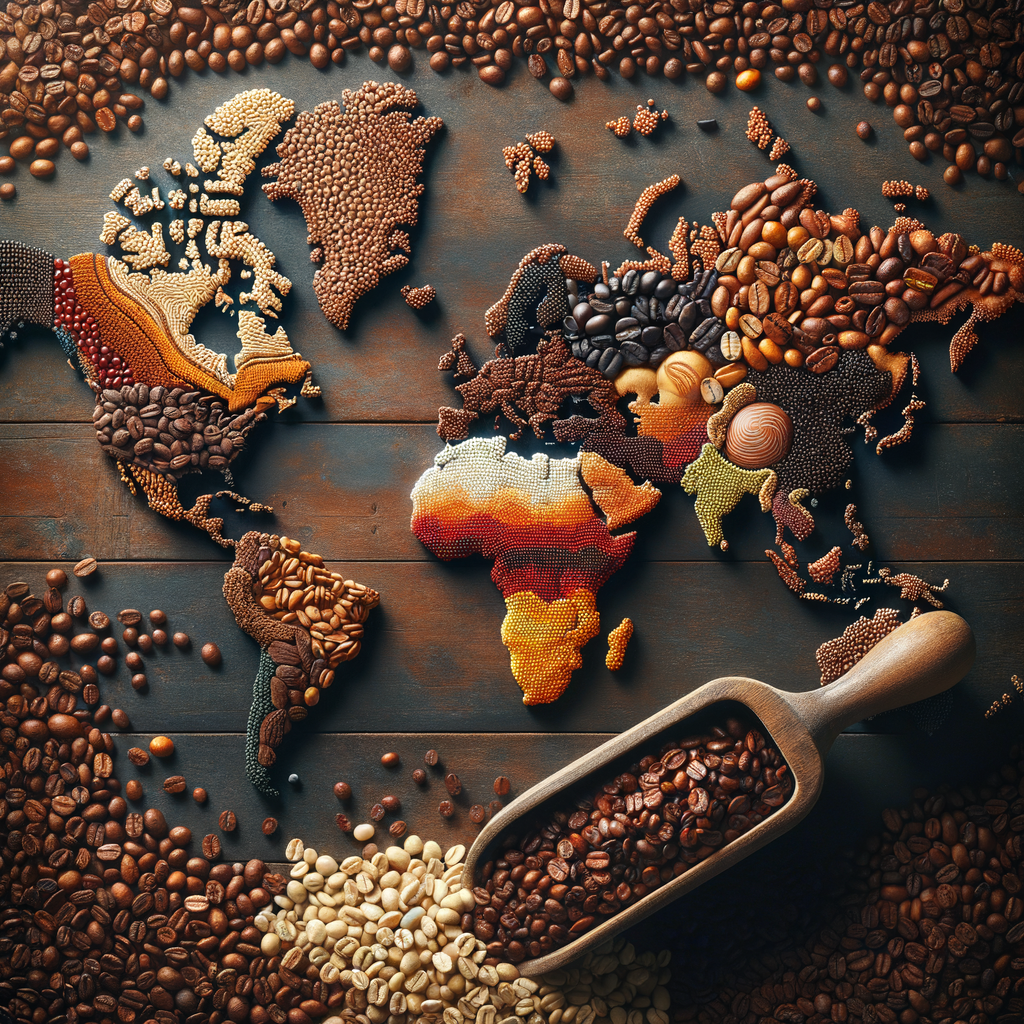
Coffee Beans & Origins: Discover the Best Flavors Today
Coffee beans & origins play a crucial role in shaping the flavors and aromas we experience in every cup of coffee. From the rich, earthy tones of Ethiopian Yirgacheffe to the bold, chocolatey notes of Colombian Supremo, understanding where your coffee originates can enhance your brewing experience and delight your taste buds.
The Journey from Farm to Cup
Coffee is not just a product; it’s a story that begins in various regions around the world. Each coffee-growing area has unique environmental conditions, including altitude, climate, and soil composition, which contribute significantly to the final flavor profile of the beans.
1. Cultivation: Coffee plants thrive in the “Bean Belt,” which is located between the Tropics of Cancer and Capricorn. Popular countries for coffee cultivation include Brazil, Colombia, Ethiopia, and Costa Rica. Each region has distinct characteristics:
– Brazil: Known for its smooth and nutty flavor, Brazilian coffee often has low acidity and a full body.
– Ethiopia: Renowned for its fruity and floral notes, Ethiopian beans can have an exciting complexity, often with hints of blueberry or jasmine.
– Colombia: Characterized by its balanced flavor, Colombian coffee typically features a bright acidity with notes of caramel and nuts.
– Costa Rica: This region is famous for its bright and vibrant coffee with a crisp finish and hints of citrus.
2. Processing Methods: After harvesting, coffee beans undergo processing methods that significantly influence their flavor. The two main methods are washed (wet) and natural (dry):
– Washed: This method removes the cherry fruit before the beans are dried. It often results in a cleaner taste, bright acidity, and enhanced fruit notes.
– Natural: The beans are dried inside the cherry, leading to a more complex flavor profile that can be sweet and fruity.
Understanding Flavor Profiles
When delving into the world of coffee beans, it’s essential to understand the flavor profiles that different origins produce. Flavor is typically broken down into acidity, sweetness, body, and flavor notes.
Flavors by Region
– Central America: Coffees from this region, such as those from Guatemala or Honduras, often have a medium body with bright acidity and flavors that can include chocolate and nuts.
– South America: Beans from Colombia, as mentioned earlier, often have more balanced profiles, but Brazilian coffees might lean towards sweetness, with notes of chocolate and caramel.
– Africa: Ethiopian and Kenyan coffees are celebrated for their vibrant acidity and complex flavors. Expect bright fruit notes from Ethiopians and rich berry flavors from Kenyans.
– Asia: Indonesian coffees, particularly those from Sumatra, are known for their earthy flavors, with low acidity and full bodies.
Brewing Methods Impacting Flavor
To truly appreciate the nuances of coffee beans & origins, consider how brewing methods can influence the flavor profile.
1. French Press: This method is excellent for extracting full flavors and oils, making it ideal for robust, full-bodied coffees like those from Indonesia.
2. Pour Over: This brewing technique allows for careful extraction, making it ideal for highlighting the bright acidity and floral notes found in Ethiopian coffees.
3. Espresso: The pressure method used in espresso brewing can intensify flavors, showcasing the intricacies of high-quality beans, particularly those from Central and South America.
Exploring Specialty Coffee
Today, the specialty coffee movement has gained momentum, drawing coffee enthusiasts to explore unique flavors from specific regions. Specialty coffee is typically produced at high altitudes and is meticulously cultivated and processed. This focus on quality ensures that flavors are bright, complex, and reflective of their origins. Specialty coffee shops often provide tasting sessions to help customers explore different flavor profiles and combinations.
Final Thoughts
By understanding coffee beans & origins, you not only enhance your own coffee experience but also appreciate the diverse culture and craftsmanship that goes into each cup. Whether you prefer a fruity Ethiopian brew or a rich Colombian blend, there’s a world of flavors waiting to be discovered. So the next time you enjoy a cup of coffee, think about where those beans came from and allow yourself to savor the taste of global craftsmanship—one sip at a time.
With the right knowledge and appreciation, every cup of coffee can be an adventure in flavors, leading you to discover new favorites and ignite your passion for this beloved beverage.