
Coffee Roasting: Must-Have Tips for Maximum Freshness
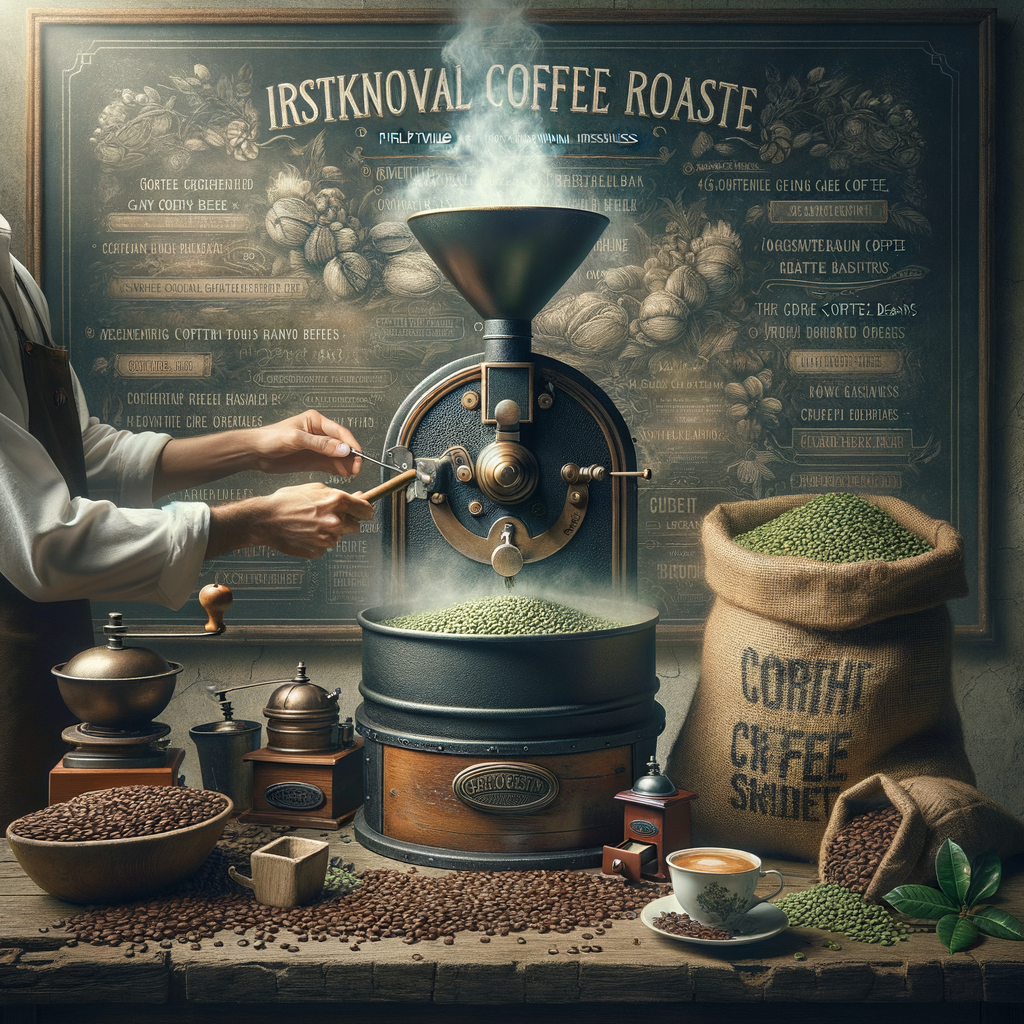
Coffee roasting is an art that transforms green coffee beans into the delightful aromatic brew many of us adore. The freshness of the roast directly impacts the flavors and aromas that develop in your cup. To ensure that you get the most out of your coffee experience, there are several key strategies and must-have tips that every coffee enthusiast should keep in mind.
Understanding the Basics of Coffee Roasting
Before diving into tips, it’s important to recognize the fundamentals of roasting. During the roasting process, green beans undergo various chemical changes as they absorb heat. These changes develop the unique flavors and aromas associated with different coffee beans. Usually, roasting occurs between 350°F and 500°F, and the duration can range from a few minutes to about 20 minutes, depending on the desired roast level—light, medium, or dark.
This intriguing transformation not only alters the taste but also affects the freshness. Coffee is best enjoyed soon after roasting, as the beans release carbon dioxide and volatile compounds that create the complex flavors we love.
Selecting the Right Beans
To achieve maximum freshness, start by selecting high-quality, whole coffee beans. Look for specialty-grade beans, ideally sourced from reputable roasters or coffee shops that emphasize freshness. Beans should be kept in a cool, dark place, away from air, moisture, and light.
When purchasing, consider the roast date rather than the expiration date. Freshly roasted beans peak within a few weeks after roasting. The key is to ensure you’re buying from a source that frequently turns over their inventory or that they roast to order.
Roast in Small Batches
One of the most effective tips for maximum freshness is to roast your beans in small batches. This is crucial because once coffee is roasted, it begins losing its flavor and aroma quite rapidly. Ideally, you should consume your beans within two weeks of roasting.
If you often find yourself with leftover coffee, it may be useful to invest in a home coffee roaster. They are designed to facilitate small-batch roasting, allowing you to enjoy fresh coffee whenever you desire, without the worry of waste.
Timing is Everything
Another essential aspect of coffee roasting is timing—both during the roast and after. The Maillard reaction, which occurs as the beans begin to brown, is where many of the flavor compounds develop. It’s essential to monitor this closely.
Once the roast is complete, beans should be allowed to degas for several days. This resting period enables trapped gases to escape, allowing for a smoother and more balanced flavor profile. Generally, it’s ideal to wait 24 to 48 hours before brewing.
Storage Matters
After roasting, how you store your beans is vital to maintaining their freshness. Ideal storage involves keeping the beans in an airtight container made of glass or ceramic, preferably opaque. As mentioned, the environment should be cool and dark—think of it as a sanctuary for your precious coffee.
Avoid plastic bags or containers that may allow oils to escape or air to enter. A vacuum-sealed bag is great, especially if you plan to store beans for longer. If you’re keeping beans for an extended period, consider freezing them—though only for a few months—to preserve flavor.
Grind Just Before Brewing
To achieve maximum freshness, always grind your beans just before brewing. Once coffee is ground, it exposes a larger surface area to oxygen, which can lead to a quicker loss of flavor. Investing in a high-quality burr grinder not only enhances consistency but also ensures that you extract the best flavors during brewing.
Coarse, medium, or fine grinds should be determined by your brewing method: coarser for French press, medium for drip coffee, and fine for espresso.
Experiment with Roast Levels
Lastly, don’t hesitate to experiment with different roast levels and bean origins. Each roast level highlights distinct flavors and aromatic profiles. A light roast might reveal fruity, floral notes, while a dark roast could bring out chocolatey or nutty flavors.
Tasting different roast levels can help you discover which flavors resonate with your palate while keeping your coffee experience fresh and exciting.
Conclusion
Coffee roasting is a rewarding endeavor that allows you to create a fresh cup tailored to your taste. By following these must-have tips—from bean selection to proper storage—you can ensure that every brew maintains its maximum freshness. The journey of roasting coffee beans is not just about creating a drink; it’s an experience that can enhance your appreciation for one of the world’s most loved beverages. So, roll up your sleeves and savor the delightful results of your efforts!